Current Issue in 2026

Volume: 16, Issue: 9

left

May

5

Apr

20

Apr

5

Mar

20

Mar

5

Feb

20

Feb

5

Jan

20

Jan

5

right

Biochemistry

A Suspension-Trapping Protocol for Bottom-Up Proteomics Sample Preparation

A Suspension-Trapping Protocol for Bottom-Up Proteomics Sample Preparation

JS Joseph Schrader
DP Dennis Province
ND Nicholas A. DaSilva
CL Chang Liu
83 Views
May 5, 2026
Bottom-up proteomics workflows encompass several key stages, including sample preparation, data acquisition, and data analysis. Of these, sample preparation is the initial and critical stage, as it significantly influences the depth, reproducibility, and reliability of subsequent mass spectrometry–based analyses. While several main digestion strategies exist, including in-gel, in-solution, and filter-aided methods, each presents distinct trade-offs in terms of throughput, contamination removal, and applicability to complex biological matrices. The Suspension Trapping (S-Trap) method offers a compelling alternative by efficiently capturing and digesting proteins while removing interferents like sodium dodecyl sulfate (SDS), which can compromise downstream LC–MS/MS performance. This protocol details a S-Trap workflow optimized for biofluid proteomics, specifically plasma, serum, and cerebrospinal fluid (CSF). We describe two complementary formats: a manual tube-based procedure for individual or small-batch samples and a 96-well-plate-based system enabling high-throughput processing. The protocol integrates optional high-abundance protein depletion to enhance coverage of low-abundance analytes and includes steps for reduction, alkylation, digestion, and peptide elution for low total protein content samples, such as plasma, serum, and cerebrospinal fluid. By providing a detailed protocol, this work aims to improve the consistency and accessibility of S-Trap-based sample preparation, facilitating robust and reproducible discoveries in bottom-up proteomics.
Reconstitution of Active Plant H+-ATPase AHA2 in Giant Unilamellar Vesicles

Reconstitution of Active Plant H+-ATPase AHA2 in Giant Unilamellar Vesicles

HU Huriye D. Uzun
TP Thomas Günther Pomorski
77 Views
May 5, 2026
Membrane transporters mediate the selective movement of ions and molecules across biological membranes and are essential for cellular homeostasis. However, their functional characterization in living cells is often complicated by the complexity of the native membrane environment. Reconstitution into model membrane systems provides a powerful alternative by enabling precise control over lipid composition and experimental conditions. Giant unilamellar vesicles (GUVs) are particularly well suited for transporter studies, as their cell-sized dimensions allow direct microscopic observation and fluorescence-based measurements of protein activity. Here, we describe a two-step reconstitution protocol in which transport proteins are first incorporated into large unilamellar vesicles and then used to generate protein-containing giant unilamellar vesicles (proteo-GUVs) via the poly(vinyl alcohol) swelling method. This two-step approach enhances protein incorporation efficiency and preserves transporter functionality. The method is exemplified using the P3-type ATPase Arabidopsis thaliana plasma membrane H+-ATPase isoform 2 (AHA2). We further describe a fluorescence-based assay to assess proton transport activity in proteo-GUVs. Our approach provides a versatile and controlled platform for biochemical, biophysical, and single-molecule analysis of membrane transporters.

Biophysics

Lipid Analysis in Live Caenorhabditis elegans Using Solution-State NMR Spectroscopy

Lipid Analysis in Live Caenorhabditis elegans Using Solution-State NMR Spectroscopy

FG Florencia V. Guastaferri
CD Carla B. Delprato
BC Bruno Hernández Cravero
GP Gastón Prez
Dd Diego de Mendoza
AB Andres Binolfi
60 Views
May 5, 2026
Unsaturated fatty acids (UFAs) play key roles in essential cellular functions such as membrane dynamics, metabolism, and animal development. Disruptions in UFA metabolism are linked to metabolic, cardiovascular, and neurodegenerative disorders. Cellular UFAs composition and quantification are normally determined using methods such as gas chromatography and/or mass spectrometry, which require extraction procedures and prevent analysis of live specimens. Here, we describe a protocol that employs uniform 13C isotope labeling and high-resolution 2D solution-state nuclear magnetic resonance (NMR) spectroscopy to analyze lipid composition and fatty acid unsaturation directly in the model organism Caenorhabditis elegans. The approach enables in vivo assessment of lipid storage compositions with sufficient resolution and sensitivity to distinguish wild-type animals from those with altered fatty acid desaturation. Complementary analysis of total lipid extracts provides information regarding lipid molecules that are not detected in vivo, such as phospholipid molecules organized in biological membranes. Overall, this non-destructive NMR-based method offers a powerful tool for investigating lipid metabolism in C. elegans and other small model systems that can be isotopically enriched.

Cell Biology

Assessing Mitochondrial Respiratory Complex-Associated Function From Previously Frozen Mouse Placental Tissue

Assessing Mitochondrial Respiratory Complex-Associated Function From Previously Frozen Mouse Placental Tissue

TP Tina Podinic
DX Donald Xhuti
CM Cristina Monaco
JN Joshua P. Nederveen
SR Sandeep Raha
115 Views
May 5, 2026
The placenta is a metabolically active organ whose mitochondrial activity is tightly linked to fetal growth, oxygenation, and nutrient transport, mediating fetal susceptibility to environmental exposures. Accordingly, aberrant mitochondrial function has been implicated in the progression of placental dysfunction. However, existing respirometry platforms require primarily fresh or cryopreserved placental tissue and offer limited throughput, rendering these platforms impractical in the context of large-scale placental dissections. Here, we describe and validate a Seahorse XF approach for measuring mitochondrial respiration in previously frozen placentae, enabling the functional interrogation of placental mitochondria in prenatal studies. Our protocol fundamentally relies on the restoration of matrix substrates that are depleted due to increased mitochondrial membrane permeability following freeze-thaw cycles. We provide a strategy to assess complex I and II-associated respiration adapted for the Seahorse XFe24 Analyzer and further demonstrate comparable oxygen consumption readouts between fresh and frozen placentae. We further demonstrate distinct differences in the magnitude of oxygen consumption between fresh and frozen placentae in the absence of exogenous NADH. Taken together, we present a simplified and convenient protocol for the assessment of respiratory enzyme complex-associated respiration from archived placental tissue.
A Cell-Based Protocol to Assess Manganese Content and Relative Transport Activity of Manganese Transporters

A Cell-Based Protocol to Assess Manganese Content and Relative Transport Activity of Manganese Transporters

HZ Huiwei Zhong
XS Xurui Shen
HY Hanting Yang
70 Views
May 5, 2026
Manganese (Mn) is an essential trace element whose intracellular homeostasis is tightly controlled by specialized membrane transporters. Dysregulation of Mn transport leads to pathological Mn accumulation and severe human disease; however, efficient and quantitative cell-based methods for assessing Mn2+ transporter activity remain limited. Here, we present an optimized cellular Fura-2 manganese extraction assay (CFMEA) that enables robust quantification of cellular Mn content and provides a normalized framework for assessing relative Mn2+ transport activity in a high-throughput format. This protocol integrates Fura-2-based fluorescence detection of Mn2+ at the Ca2+ isosbestic excitation wavelength with dsDNA quantification to normalize dsDNA levels in cell extracts and immunoblotting to account for transporter protein expression levels. Cells expressing Mn2+ transporters are exposed to MnCl2 in 96-well plates, washed to remove extracellular Mn2+, and lysed in a Fura-2-containing extraction buffer. Fluorescence quenched by Mn2+ is quantified and converted to cellular Mn content using a cell-free Mn-Fura-2 standard curve and then normalized to dsDNA content and protein abundance to determine relative transporter activity. This workflow provides a relatively sensitive, reproducible, and low-cost approach for comparative analysis of Mn2+ transporters and their variants across multiple cell types. The protocol is demonstrated using the Mn2+ efflux transporter SLC30A10 in HEK293T cells and is readily adaptable for studying other Mn2+ transport pathways.

Molecular Biology

Parallelised Cloning, Mammalian Cell Expression, and Purification of Nanobodies Identified by Phage Display

Parallelised Cloning, Mammalian Cell Expression, and Purification of Nanobodies Identified by Phage Display

HC Hannah A. Campaigne
KP Kelly L. Parker
RO Raymond J. Owens
LE Lauren E-A. Eyssen
89 Views
May 5, 2026
Nanobodies are recombinant single-domain antibodies (VHHs) derived from the heavy chain–only subset of camelid immunoglobulins that can be reverse-engineered into bivalent antibodies by fusion to immunoglobulin Fc constant regions. Mammalian cells are the system of choice to produce VHH-Fcs to ensure authentic folding and post-translation glycosylation of the expressed VHH-Fcs. In a recent project to find neutralising VHH-Fc binders to the spike proteins of SARS-CoV-2 viruses, we identified a need for rapid expression and purification of multiple VHH-Fc fusions from nanobodies selected by phage display. Here, we present a protocol for the construction of expression vectors by parallel ligase-independent cloning, transient small-scale expression in mammalian cells (4 mL culture volume), screening antigen-binding activity, and midi-scale purification (30 mL culture volume) for downstream activity assays. The workflow is completely transferable between different vector formats, of which three are described herein: Fc fusion dimers, monomeric CD4 fusions, and His-tagged monomers.
An Advanced Single-Cell RNA Sequencing (scRNA-seq) Protocol Utilizing Custom-Designed Multiplexing

An Advanced Single-Cell RNA Sequencing (scRNA-seq) Protocol Utilizing Custom-Designed Multiplexing

FG Feng Gao
XL Xujie Liu
FS Fan Sun
YX Yadong Xiao
GX Gutian Xiao
ZQ Zhaoxia Qu
50 Views
May 5, 2026
While cell hashing enhances single-cell RNA sequencing (scRNA-seq) efficiency and minimizes batch effects, commercial mouse hashtags often fail in FVB/N and several other strains due to antibody-epitope incompatibility. We describe a robust alternative utilizing biotinylated antibody cocktails and streptavidin-conjugated oligos to enable reliable sample multiplexing. This approach was validated in FVB/N lung tissues, yielding high-quality single-cell libraries. Our protocol offers a practical solution for researchers requiring strain-specific or custom-designed multiplexing strategies for single-cell transcriptomics.

Neuroscience

Limited Proteolysis Mass Spectrometry to Identify Protein Structural Differences in Brain Tissue

Limited Proteolysis Mass Spectrometry to Identify Protein Structural Differences in Brain Tissue

HT Haley E. Tarbox
SF Stephen D. Fried
117 Views
May 5, 2026
Structural proteomics methods allow for the proteome-wide interrogation of protein structural differences between two different conditions. Limited proteolysis mass spectrometry (LiP-MS), as originally implemented by the Picotti lab, utilizes a promiscuous protease to cleave at solvent-exposed regions of a protein to encode structural information, which is then read out with mass spectrometry proteomics. Here, we present a protocol that details experimental steps and data analysis for a LiP-MS workflow. First, tissue is homogenized under native conditions and then subjected to limited proteolysis using proteinase K (PK). The samples are prepared for mass spectrometry, and data are acquired using either data-dependent acquisition (DDA) or data-independent acquisition (DIA). Raw data is processed using FragPipe, and raw ion abundances are processed in FragPipe Limited-Proteolysis Processor (FLiPPR). Proteins with structural changes between the two conditions are identified in a proteome-wide manner.

Plant Science

TALENs and Related Technologies for Editing Nuclear and Organellar Genomes in a Model Plant, Arabidopsis thaliana

TALENs and Related Technologies for Editing Nuclear and Organellar Genomes in a Model Plant, Arabidopsis thaliana

CZ Chang Zhou
SA Shin-Ichi Arimura
151 Views
May 5, 2026
Plant genome editing is a powerful approach for modifying plant DNA to investigate gene function and to engineer desirable traits. Several genome-editing technologies have been developed, among which CRISPR/Cas systems and transcription activator-like effector nucleases (TALENs) are widely used to introduce targeted double-stranded DNA breaks. While CRISPR/Cas systems are highly efficient for nuclear genome editing, their application to plant organellar genomes remains limited, largely due to difficulties in guide RNA delivery into mitochondria and chloroplasts. Here, we present a detailed and reproducible protocol for constructing TALEN-based binary vectors for targeted genome editing in Arabidopsis thaliana. This protocol describes the assembly of TALE repeat arrays, the generation of nuclear-, mitochondrial-, and plastid-targeted TALEN expression vectors using MultiSite Gateway cloning, and subsequent Agrobacterium-mediated plant transformation and genotyping. The workflow enables the production of nTALENs, mitoTALENs, and ptpTALENs using a unified vector design strategy. In addition, the protocol briefly outlines the construction principles of TALE-based cytidine deaminases (TALECDs) for targeted C-to-T base editing in plant organellar genomes. The protocol provides a flexible and robust framework for plant nuclear and organellar genome editing and can be readily adapted to different target genes and experimental purposes. Its modular design and compatibility with standard molecular cloning techniques make it accessible to laboratories aiming to perform precise genome manipulation in plants.
Detecting Touch-Induced Calcium Dynamics With Live-Cell Imaging in Torenia Stigma

Detecting Touch-Induced Calcium Dynamics With Live-Cell Imaging in Torenia Stigma

XZ Xuan Zhou
XM Xiaofang Ma
SY Shuibo Yang
SS Shihao Su
77 Views
May 5, 2026
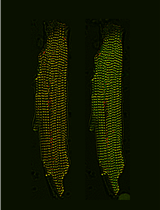
Calcium ions serve as a universal secondary messenger, integrating diverse external signals, such as light, herbivory, and mechanical stimuli, within plant cells. However, the visualization and mechanistic dissection of calcium signaling specifically in response to mechanical stimulation remain technically challenging and underexplored in most plants. Previous studies have been largely confined to a few model systems, including Arabidopsis; here, we introduce a live-cell imaging approach using the stigmas of Torenia fournieri. This in vitro system enables multiscale observation of calcium signal patterns following controlled mechanical stimulation. This versatile platform not only simplifies the design of calcium imaging assays but also provides a tractable system for functionally validating other key molecular components in this signaling pathway.
Kinetic Determination of Cytochrome b6f Activity In Vitro

Kinetic Determination of Cytochrome b6f Activity In Vitro

YM Yuval Milrad
DW Daniel Wegemann
MH Michael Hippler
74 Views
May 5, 2026
While traditional kinetic studies of the cytochrome b6f complex have frequently relied on measurements within the complex environment of intact leaves or whole-organism systems, such approaches can be limited by overlapping signals and physiological variables. This protocol advances existing frameworks by introducing a streamlined, multi-wavelength spectroscopic approach utilizing a reconstituted in vitro system to elucidate the inter-complex electron transfer kinetics between photosystem I and cytochrome b6f. Utilizing the JTS-150 pulsed spectrometer, supplied with a Smart Lamp, we monitored the redox transitions of P700+ and Cytf by simultaneously measuring the absorbance changes of our isolated complexes system in six different wavelengths (546, 554, 563, 574, 705, and 740 nm). Kinetic analysis was divided into two phases: laser-induced flash kinetics and steady-state actinic induction. We resolved the second-order re-reduction of P700+ by plastocyanin, accounting for detector saturation constraints with a 2 ms post-flash delay. Steady-state measurements under actinic light revealed complex Cytf turnover, characterized by a double-exponential decay. Furthermore, dark relaxation kinetics were used to quantify ferredoxin-mediated re-reduction of the cytochrome pool. By allowing the incorporation of specific regulatory and inhibitory factors, this methodology sets the ground for the deconvolution of competing electron pathways. It can therefore be used as a robust framework for assessing the mechanism of regulatory processes on photosynthetic flux.
Extraction and Isolation of Extracellular Vesicles From Piper betle Leaves Using the Apoplastic Fluid Washing and Size Exclusion Chromatography Method

Extraction and Isolation of Extracellular Vesicles From Piper betle Leaves Using the Apoplastic Fluid Washing and Size Exclusion Chromatography Method

IS Izy Sanddy
WA Wan Rahimatul Adawiyah
DO Der Jiun Ooi
GE Gayandi Ekanayake
AF Alireza Fazeli
NR Noor Izzah Abd Rahman
Norhayati Liaqat Ali Khan Norhayati Liaqat Ali Khan
67 Views
May 5, 2026
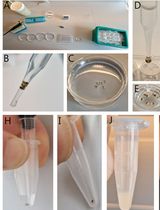
Plant-derived extracellular vesicles (PDEVs) have emerged as important mediators of intercellular communication and hold growing potential in therapeutic applications. However, standardized methods for their isolation, particularly from Piper betle leaves (PBL), remain unexplored. Existing apoplastic fluid washing (AFW) extraction techniques typically rely on manual syringe infiltration, which often leads to inconsistent pressure control, variable yields, and increased risk of tissue damage. This protocol describes a vacuum-assisted AFW extraction method optimized for the recovery of intact extracellular vesicles (EVs) from PBL. The workflow features controlled negative pressure using a vacuum pump and chamber to achieve more efficient leaf infiltration compared to infiltration using the syringe method and reproducible apoplastic fluid (AF) collection with subsequent low-speed centrifugation steps, to ensure minimal contamination and preservation of vesicle integrity. Piper betle–derived extracellular vesicle (PBdEV) isolation and purification steps are performed using size exclusion chromatography (SEC). The size and concentration of PBdEVs were confirmed using nanoparticle tracking analysis (NTA), whereas the cup-shaped and lipid bilayer morphology of the EVs were confirmed using transmission electron microscopy (TEM). The method is scalable and adaptable to various leaf morphologies and physiological states, making it suitable for both exploratory and high-throughput studies. Overall, this protocol provides a more consistent, efficient, and tissue-preserving alternative to traditional syringe-based AF extraction methods, offering higher-quality EV preparations for plant EV research.
Quantitative Assessment of Heat Shock-Induced Ferroptosis-Like Cell Death via Electrolyte Leakage in Arabidopsis thaliana Seedlings

Quantitative Assessment of Heat Shock-Induced Ferroptosis-Like Cell Death via Electrolyte Leakage in Arabidopsis thaliana Seedlings

LK Leah Kago-Gachao
CS Clara Cappa Salas
MC Myriam Sanchis Campos
GW Grace Whitmore
DS Daniela Sueldo
51 Views
May 5, 2026
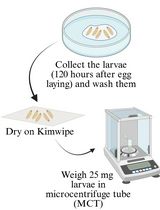
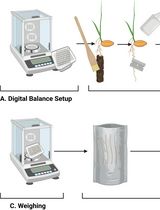
We present a protocol to allow continuous assessment of cell death in Arabidopsis thaliana (L.) seedlings by measuring the release of electrolytes from dying cells upon heat shock. The electrolyte leakage assay is a well-established method to quantify the extent of cell death of plant tissues exposed to pathogen infection, since the activation of the immune response leads to compromised membrane integrity and to the release of ions from the dying cell. This prolonged release of electrolytes is considered a hallmark of regulated cell death in plants. Heat shock in plants induces ferroptosis-like cell death, which can be suppressed either pharmacologically, using inhibitors such as ferrostatin, or genetically through knockout of ferroptosis-related genes. Here, we have adapted the electrolyte leakage assay to quantify cell death in young Arabidopsis seedlings exposed to a heat shock previously shown to induce ferroptosis-like cell death. We also illustrate how this method can be used to assess activation of ferroptosis-like cell death in whole Arabidopsis seedlings using ferrostatin or knockout mutants of potential gene candidates involved in ferroptosis-like cell death.

Stem Cell

Generation of Functional Patient-Specific Thymus Organoids From Human Pluripotent Stem Cells (hPSCs) Using Air–Liquid Interface Culture

Generation of Functional Patient-Specific Thymus Organoids From Human Pluripotent Stem Cells (hPSCs) Using Air–Liquid Interface Culture

SR Stephan A. Ramos
HR Holger A. Russ
75 Views
May 5, 2026
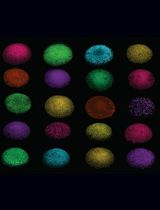
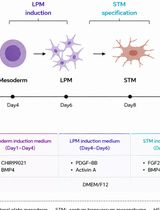
The thymus is critical for the establishment of a functional and self-tolerant adaptive immune system, but it involutes with age, resulting in reduced naive T-cell output. Generation of a functional human thymus from human pluripotent stem cells (hPSCs) is an attractive regenerative medicine strategy. Direct differentiation of thymic epithelial progenitors (TEPs) from hPSCs has been demonstrated in vitro, but functional thymic epithelial cells (TECs) develop only after transplantation of TEPs in vivo. Functional human reaggregated thymic organoid cultures (RTOCs) and artificial thymic organoids (ATOs) cultured at the air–liquid interface support T-cell development in vitro and in vivo and permit the interrogation of human thymic function and T-cell development. However, these approaches require access to primary human tissues or murine bone marrow stromal cells, are allogeneic, and do not support negative selection. Recently, we reported the directed differentiation of induced PSCs (iPSCs) to functional thymic epithelial progenitors (TEPs) that support murine T-cell development after transplantation in nude mice. Here, we combined hPSC-derived TEPs, hematopoietic progenitor cells (HPCs), and mesenchymal cells, differentiated from the same hPSC line, and generated functional isogenic stem cell–derived thymic organoids (sTOs). Our revised protocol improves our TEP differentiation process and allows the generation of functional isogenic, patient-specific thymic organoids in vitro.

Update

Update Notice: Immunopeptidomics Workflow for Isolation and LC-MS/MS Analysis of MHC Class I-Bound Peptides Under Hypoxic Conditions

Update Notice: Immunopeptidomics Workflow for Isolation and LC-MS/MS Analysis of MHC Class I-Bound Peptides Under Hypoxic Conditions

HE Hala Estephan
EH Ester M. Hammond
EA Eleni Adamopoulou
7 Views
May 5, 2026