


Step-by-Step Protocol for In Situ Profiling of RNA Subcellular Localization Using TATA-seq
TATA-seq 原位解析 RNA 亚细胞定位的分步操作流程

发布: 2026年02月20日第16卷第4期 DOI: 10.21769/BioProtoc.5611 浏览次数: 372
评审: Anonymous reviewer(s)
 PDF
PDF  Q&A
Q&A
参见作者原研究论文
The authors used this protocol in:
Oct 2025
Advertisement






Abstract
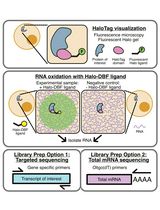
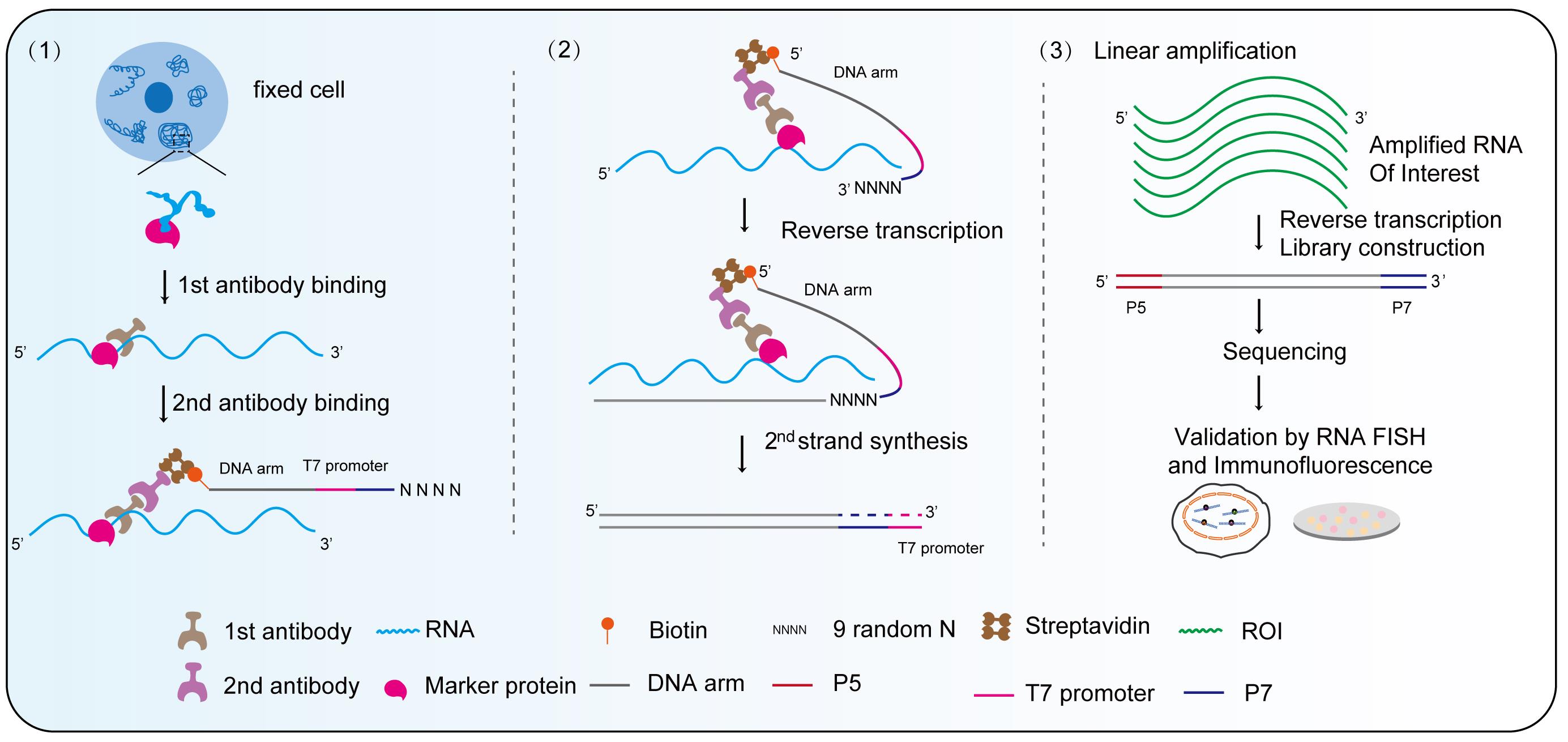
Membrane-less organelles play essential roles in both physiological and pathological processes by compartmentalizing biomolecules through phase separation to form dynamic hubs. These hubs enable rapid responses to cellular stress and help maintain cellular homeostasis. However, a straightforward and efficient method for detecting and illustrating the distribution and diversity of RNA species within membrane-less organelles is still highly sought after. In this study, we present a detailed protocol for in situ profiling of RNA subcellular localization using Target Transcript Amplification and Sequencing (TATA-seq). Specifically, TATA-seq employs a primary antibody against a marker protein of the target organelle to recruit a secondary antibody conjugated with streptavidin, which binds an oligonucleotide containing a T7 promoter. This design enables targeted, in situ reverse transcription of RNAs with minimal background noise, a key advantage further refined during data analysis by subtracting signals obtained from a parallel IgG control experiment. The subsequent T7 RNA polymerase-mediated linear amplification ensures high-fidelity RNA amplification from low-input material, which directly contributes to optimized sequencing metrics, including a duplication rate of no more than 25% and a mapping ratio of approximately 90%. Furthermore, the modular design of TATA-seq provides broad compatibility with diverse organelles. While initially developed for membrane-less organelles, the protocol can be readily adapted to profile RNA in other subcellular compartments, such as nuclear speckles and paraspeckles, under both normal and pathogenic conditions, offering a versatile tool for spatial transcriptomics.
Key features
• This protocol provides subcellular spatial resolution by targeting and sequencing RNA from specific membrane-less organelles.
• A T7-based linear amplification step ensures high sensitivity and yield from low-input samples (<10,000 cells).
• The method is adaptable for profiling diverse organelles under various biological conditions.
Keywords: Membrane-less organelles profiling (无膜细胞器解析) Stress granule (应激颗粒)
T7 linear amplification (T7 线性扩增)
RNA spatial transcriptomics (RNA 空间转录组学)
Stress granule (应激颗粒)
T7 linear amplification (T7 线性扩增)
RNA spatial transcriptomics (RNA 空间转录组学)
Graphical overview
Background
Organelles serve as the fundamental compartments of eukaryotic cells, arising from the spatial organization of intracellular biomacromolecules. This compartmentalization is achieved either by biological membranes, defining classical membrane-bound organelles, or through liquid–liquid phase separation, which gives rise to membrane-less organelles (MLOs) that lack a delimiting membrane [1,2]. MLOs are dynamic hubs critical for diverse cellular functions, including gene transcription, RNA metabolism, translation, protein modification, and signal transduction [3]. They exist in a steady state (homeostasis) and exhibit dynamic responses to fundamental physiological processes, as well as various forms of stress, altered metabolic conditions, and changes in cellular signaling. Membrane-less organelles include the nucleoli, Cajal bodies (CSs), nuclear speckles, paraspeckles, processing bodies (P-bodies), and stress granules (SGs) [4–7]. Notably, P-bodies and SGs are implicated in disease pathogenesis: P-bodies are elevated in leukemia and support acute myeloid leukemia maintenance [8], and dysfunctional SGs are linked to neurodegenerative disorders [9]. RNA is essential for maintaining the integrity of RNA-protein assembly (RNP) granules, whether located in the nucleus or the cytosol [10,11]. Consequently, there is a pressing need for precise methods to map the subcellular distribution and abundance of RNAs within MLOs under both normal and pathological conditions.
Traditional methods for mapping RNA localization, such as GFP-based tagging and organelle fractionation, are hampered by their reliance on overexpression, which complicates application in primary cells and introduces the risk of contamination. Although the subsequent development of APEX-seq enabled the profiling of endogenous RNAs in numerous subcellular compartments, it also requires the time-consuming and complex overexpression of APEX2-fusion proteins, which can disrupt native cellular conditions and limit its use in primary cells [12–14]. Current methods for spatially resolved transcriptomics, such as RT&Tag and ARTR-seq, leverage antibody targeting to profile RNAs near specific proteins. RT&Tag utilizes an oligo(dT) primer for in situ transcription, capturing poly(A) mRNAs but omitting noncoding RNAs crucial for MLOs [15–17]. ARTR-seq addresses this by employing a protein A/G-fused reverse transcriptase and a random-primed strategy, enabling the detection of both poly(A) and non-poly(A) RNAs [18]. However, its multi-step incubation and streptavidin enrichment procedure is cumbersome and increases background noise. Furthermore, library construction from ultra-low cDNA input often yields suboptimal data quality. To overcome these limitations, we developed Target Transcript Amplification and Sequencing (TATA-seq) [19]. Based on these principles, TATA-seq combines antibody targeting with in situ transcription, thereby streamlining the workflow and minimizing nonspecific signals. Importantly, we incorporated a linear amplification step to enhance cDNA yield prior to library construction. This modification substantially improves sequencing quality by decreasing PCR duplication rates and increasing the mapping ratio.
Materials and reagents
Biological materials
1. HeLa cell (Cell Bank/Stem Cell Bank of the Chinese Academy of Sciences)
Reagents
1. DMEM high-glucose medium (BasalMedia, catalog number: L110KJ)
2. Fetal bovine serum (VivaCell, catalog number: C04001)
3. Penicillin-streptomycin (Gibco, catalog number:15140163)
4. Sodium arsenite (NaAsO2) (Sigma-Aldrich, catalog number: S7400)
5. 4% paraformaldehyde (PFA) (Servicebio, catalog number: G1101)
6. Normal guinea pig serum (Jackson ImmunoResearch, catalog number: 006-000-001)
7. Anti-G3BP1 primary antibody (Abcam, catalog number: ab181150)
8. Guinea pig anti-rabbit IgG (Antibodies Online, catalog number: ABIN101961)
9. IgG (Abclonal, catalog number: AC005)
10. Anti-TNRC6A (Abclonal, catalog number: A6115)
11. Streptavidin Conjugation kit (Abcam, catalog number: ab102921)
12. Alexa Fluor 488-labeled goat anti-rabbit IgG(H+L) (Beyotime, catalog number: A0423)
13. CoraLite® Plus 488-conjugated anti-G3BP1 (Proteintech, catalog number: CL488-13057)
14. CoraLite® Plus 488-conjugated anti-IgG (Proteintech, catalog number: CL488-98136)
15. RNase inhibitor (Vazyme, catalog number: R301)
16. SuperScript III (Thermo Fisher Scientific, catalog number: 18080093)
17. DNA polymerase I (E. coli) (NEB, catalog number: M0209)
18. E. coli DNA ligase (NEB, catalog number: M0205)
19. RNase H (NEB, catalog number: M0297)
20. T4 DNA polymerase (NEB, catalog number: M0203)
21. Proteinase K (Thermo Fisher Scientific, catalog number: 25530049)
22. T7 High Yield RNA Transcription kit (Vazyme, catalog number: TR101-01)
23. Dynabeads MyOneTM silane (Thermo Fisher Scientific, catalog number: 37002D)
24. T4 polynucleotide kinase (NEB, catalog number: M0201L)
25. T4 RNA ligase 2 truncated KQ (NEB, catalog number: M0373)
26. M-MLV reverse transcriptase (Promega, catalog number: M1705)
27. NEBNext Ultra II Q5 master mix (NEB, catalog number: M0544)
28. AMPure XP beads (Beckman, catalog number: A63881)
29. Low-melting agarose gel (Solarbio, catalog number: A8350)
30. Gel DNA Recovery kit (Zymo Research, catalog number: D4008)
31. Mold incubator (Changzhou Enpei Instrument Manufacturing Co., Ltd, catalog number: MJX-70BE)
32. Trypsin (BasalMedia, catalog number: S310JV)
33. Poly-L-lysine (Solarbio, catalog number: P8140)
34. PBS (BasalMedia, catalog number: B320KJ)
35. BSA (Sigma, catalog number: SRE0098)
36. RLT (Qiagen, catalog number:79216)
37. Guinea pig serum (absin, catalog number: ABS948)
38. Tween-20 (Life sciences, catalog number: T8220)
39. dNTP (Vazyme, catalog number: P031-01)
40. Second-strand buffer (5×) (Thermo Fisher Scientific, catalog number: 10812-014)
41. 1 M Tris-HCl, pH 7.5 (Invitrogen, catalog number: 15567-027)
42. NaCl (SCR, catalog number: 10019318)
43. Triton X-100 (Urchem, catalog number: 30188983)
44. Protease inhibitor (MCE, catalog number: HY-K0010)
45. Yeast carrier tRNA (Sigma, catalog number: R6750)
46. White egg avidin protein (Sigma, catalog number: 189725)
47. HEPES (Sigma, catalog number: H3375)
48. Spermidine (Solarbio, catalog number: S8030)
49. 0.5 M EDTA (Psaitong, catalog number: E70003)
50. NP-40 (Life sciences, catalog number: N8030)
51. ATP (Sigma, catalog number: A26209)
52. 20× SSC (Beyotime, catalog number: R0227)
53. Formamide (Macklin, catalog number: F810079)
54. Salmon sperm DNA (Biosharp, catalog number: BS191)
55. Pyrophosphatase, Inorganic (Vazyme, catalog number: DD4103-PC-01)
Solutions
1. Permeabilization buffer (see Recipes)
2. Blocking buffer (see Recipes)
3. Antibody buffer (see Recipes)
4. Primary antibody wash buffer (see Recipes)
5. Wash buffer I (high salt + detergent + ATP) (see Recipes)
6. Wash buffer II (low salt + formamide) (see Recipes)
7. Denaturation buffer (see Recipes)
8. Hybridization buffer (see Recipes)
9. Washing buffer (see Recipes)
Recipes
1. Permeabilization buffer
| Reagent | Final concentration | Quantity or volume |
|---|---|---|
| 1 M Tris-HCl pH 7.5 | 10 mM | 500 μL |
| 5 M NaCl | 10 mM | 100 μL |
| 10% NP-40 | 0.5% | 2.5 mL |
| 10% Triton X-100 | 0.3% | 1.5 mL |
| 10% Tween 20 | 0.1% | 500 μL |
| Protease inhibitor (100×) | 1× | 500 μL |
| 1× PBS | - | To 50 mL |
Store at 4 °C for one week. Add protease inhibitor just before use.
2. Blocking buffer
| Reagent | Final concentration | Quantity or volume |
|---|---|---|
| 10% BSA | 5% | 25 mL |
| Normal guinea pig serum | 10% | 5 mL |
| Yeast carrier tRNA (10 mg/mL) | 0.01 μg/μL | 50 μL |
| White egg avidin protein (10 mg/mL) | 0.005 μg/μL | 50 μL |
| 1× PBS | - | To 50 mL |
Store at -20 °C for one month.
3. Antibody buffer
| Reagent | Final concentration | Quantity or volume |
|---|---|---|
| 10% BSA | 3% | 15 mL |
| 1 M HEPES-KOH pH 7.5 | 20 mM | 1 mL |
| 5 M NaCl | 150 mM | 1.5 mL |
| 2 M spermidine | 0.5 μM | 12.5 μL |
| 0.5 M EDTA | 20 mM | 2 mL |
| Protease inhibitor (100×) | 1× | 500 μL |
| Nuclease-free water | - | To 50 mL |
Store at 4 °C for one week. Add spermidine and protease inhibitor just before use.
4. Primary antibody wash buffer
| Reagent | Final concentration | Quantity or volume |
|---|---|---|
| 1 M HEPES-KOH pH 7.5 | 20 mM | 1 mL |
| 5 M NaCl | 150 mM | 1.5 mL |
| 2 M spermidine | 0.5 μM | 12.5 μL |
| Protease inhibitor (100×) | 1× | 500 μL |
| Nuclease-free water | - | To 50 mL |
Store at 4 °C for one week. Add spermidine and protease inhibitor just before use.
5. Wash buffer I (high salt + detergent + ATP)
| Reagent | Final concentration | Quantity or volume |
|---|---|---|
| 10% NP40 | 0.5% | 500 μL |
| 10% Triton-X 100 | 0.1% | 100 μL |
| 10% Tween 20 | 0.1% | 100 μL |
| 10% BSA | 0.3% | 300 μL |
| Protease inhibitor (100×) | 1× | 100 μL |
| 1 M ATP (pH 7.0) | 10 mM | 100 μL |
| 5 M NaCl | 750 mM | 1.5 mL |
| 1× PBS | - | to 10 mL |
Store at 4 °C for one week. Add protease inhibitor just before use.
6. Wash buffer II (low salt + formamide)
| Reagent | Final concentration | Quantity or volume |
|---|---|---|
| 20× SSC | 0.5× | 250 μL |
| 100% formamide | 15% | 1.5 mL |
| Nuclease-free water | - | to 10 mL |
Store at 4 °C for one week.
7. Denaturation buffer
| Reagent | Final concentration | Quantity or volume |
|---|---|---|
| Cy3 probe | 10 ng/μL | |
| Salmon sperm DNA (10 mg/mL) | 100 μg/mL | 10 μL |
| Nuclease-free water | - | 1 mL |
Prepare immediately before use.
8. Hybridization buffer
| Reagent | Final concentration | Quantity or volume |
|---|---|---|
| Yeast tRNA (10 mg/mL) | 100 μg/mL | 100 μL |
| Salmon sperm DNA (10 mg/mL) | 100 μg/mL | 100 μL |
| 20× SSC | 2× SSC | 1 mL |
| Formamide | 10% | 1 mL |
| RNase inhibitor (40 U/μL) | 1 U/μL | 250 μL |
| Protease inhibitor (100×) | 1× | 500 μL |
| Nuclease-free water | n/a | 10 mL |
Store at 4 °C for one week. Add RNase inhibitor and protease inhibitor just before use.
9. Washing buffer
| Reagent | Final concentration | Quantity or volume |
|---|---|---|
| 20× SSC | 2× SSC | 1 mL |
| Formamide | 10% | 1 mL |
| Nuclease-free water | n/a | 10 mL |
Store at 4 °C for one week.
Laboratory supplies
1. 1.5 mL microcentrifuge tubes (Axygen, catalog number: MCT-150-C)
2. 1.5 mL low-adhesion tube (USA Scientific, catalog number:1415-2600)
3. Amicon Ultra centrifugal filter with 100 kDa MWCO (Millipore, catalog number: UFC8100)
4. 0.2 mL, clear 8-strip tubes (Manufacturer, catalog number: PCR-0208-C)
5. 0.1 mL, PCR 8-strip tubes (NEST Biotechnology, catalog number: 403102)
6. 96-well cell culture plate, 0.1 mL (yueyibio, catalog number: YB96)
7.15 mL centrifuge tube (yueyibio, catalog number: YB0019-15)
8. 50 mL centrifuge tube (yueyibio, catalog number: YB0010-50)
9. 25 cm2 cell culture flasks (yueyibio, catalog number: 1030000)
10. DynaMagTM-2 (Thermo Fisher, catalog number: 12321D)
11. DNA Clean & Concentrator (Zymo Research, catalog number: D4014)
Equipment
1. Centrifuge 5810 (Eppendorf, catalog number: 5810000491)
2. T100 Thermo Cycler (Bio-Rad, catalog number: 1861096)
3. C1000 Touch Thermo Cycler (Bio-Rad, catalog number: 1851148)
4. LightCycler 96 instrument (Roche, catalog number: 13068)
5. QubitTM 4 fluorometer (Invitrogen, catalog number: Q33226)
6. Freezer (-20 °C)
7. Refrigerator (2–8 °C)
Software and datasets
1. Trim Galore (v.0.6.10) (https://github.com/FelixKrueger/TrimGalore)
2. BBMap (https://github.com/BioInfoTools/BBMap)
3. STAR (v2.8.10b) (https://github.com/alexdobin/STAR)
4. macs3 (https://macs3-project.github.io/MACS/)
5. clusterProfiler (https://bioconductor.org/packages/devel/bioc/html/clusterProfiler.html)
6. Deeptools (https://deeptools.readthedocs.io/en/latest/)
Procedure
文章信息
稿件历史记录
提交日期: Oct 23, 2025
接收日期: Jan 18, 2026
在线发布日期: Jan 30, 2026
出版日期: Feb 20, 2026
版权信息
© 2026 The Author(s); This is an open access article under the CC BY-NC license (https://creativecommons.org/licenses/by-nc/4.0/).
如何引用
Jiang, X., Xu, C. and Hu, L. (2026). Step-by-Step Protocol for In Situ Profiling of RNA Subcellular Localization Using TATA-seq. Bio-protocol 16(4): e5611. DOI: 10.21769/BioProtoc.5611.

 Download Citation in RIS Format
分类
分子生物学 > RNA > RNA定位
分子生物学 > RNA > RNA 测序
系统生物学 > 空间转录组学
您对这篇实验方法有问题吗?
在此处发布您的问题,我们将邀请本文作者来回答。同时,我们会将您的问题发布到Bio-protocol Exchange,以便寻求社区成员的帮助。
 发布问题
发布问题


